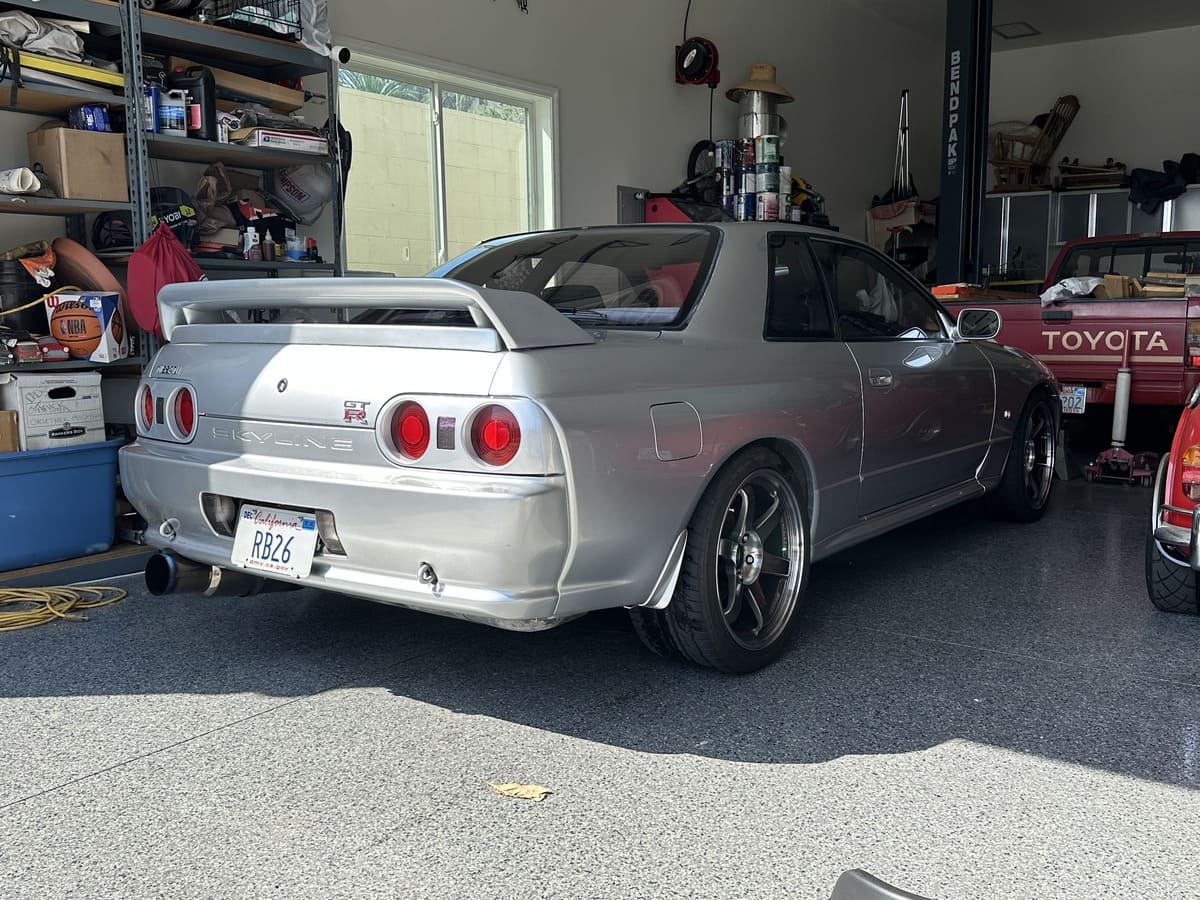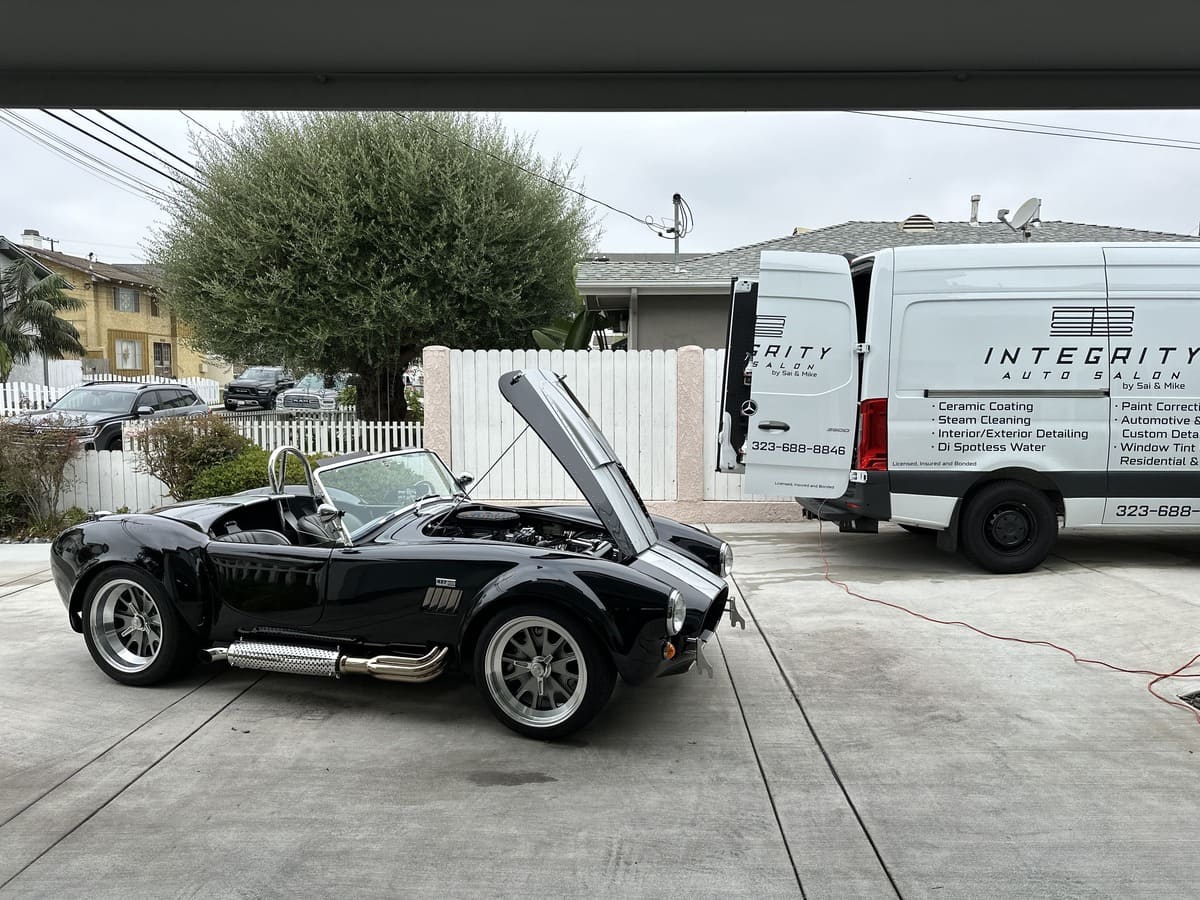

Living near the coast in Los Angeles is a dream — ocean breezes, salt air, and sunshine year-round. But if you own a car, that same environment is quietly working against you. The combination of salt, UV radiation, marine moisture, and coastal grime creates one of the harshest environments for automotive paint in the entire country. And most car owners don’t realize the damage is happening until it’s too late.
The Invisible Threat: What Coastal Air Actually Does to Your Paint
Most people think of car paint damage as something that happens from obvious events — a scratch in a parking lot, a rock chip on the freeway. But in cities like Redondo Beach, Manhattan Beach, and Hermosa Beach, the damage is slower, subtler, and far more widespread.
Here’s what’s actually happening to your car every single day:
Salt Deposits
Microscopic salt particles from ocean spray land on your paint, attracting moisture and triggering oxidation that eats through your clear coat.
UV Radiation
LA averages over 280 sunny days a year. Prolonged UV exposure breaks down your clear coat, causing fading, chalking, and oxidation.
June Gloom Moisture
LA's famous marine layer coats your car in a thin film of moisture mixed with sea salt — a corrosive combination that accelerates paint breakdown.
Water Spots
Coastal water is mineral-rich. When it dries on paint, it leaves hard water deposits that etch into the clear coat and are difficult to remove without paint correction.
How Salt Air Breaks Down Your Car’s Paint Layer by Layer
Your car’s exterior isn’t just one layer — it’s a system. From the outside in, you have the clear coat, the base coat (your car’s color), the primer, and the metal body panel. Coastal air attacks all of these layers progressively.
Salt attaches to the clear coat
Salt particles from ocean air or sea spray settle on your car's outermost layer. Being hygroscopic, salt draws in humidity and holds moisture against the surface even when it looks dry.
Oxidation begins
Moisture + salt + oxygen creates a chemical reaction that oxidizes the clear coat. You'll first notice dullness, then a chalky or hazy appearance in the paint.
UV breaks down what's left
With the clear coat compromised, UV radiation penetrates directly into the base coat. Colors begin to fade — especially in dark vehicles like black, navy, and deep red.
Water etching sets in
LA's mineral-rich water leaves spots that, if left untreated, etch permanently into the paint. At this stage, paint correction or repainting is required.
Rust can begin (on older vehicles)
Once the clear coat and base coat are sufficiently compromised, salt can reach bare metal and initiate rust — especially in chips, scratches, or seams.
LA’s Climate Makes It Worse Than You Think
Los Angeles has a Mediterranean climate — warm, dry summers and mild, occasionally wet winters. On paper, it sounds perfect for cars. But a few specific factors make the South Bay particularly hard on paint:
The Coastal Distance Factor
If you live or park in Redondo Beach, Hermosa Beach, Manhattan Beach, or near the Palos Verdes coastline, you’re within the primary salt air zone. Salt air concentration is highest within the first 1–3 miles from the shoreline. Most South Bay residents park well within this zone — often overnight, which is when marine layer moisture is at its peak.
The June Gloom Effect
Every year from May through early July, LA experiences its marine layer season — locally known as “June Gloom.” Morning fog and overcast skies coat cars in a thin, damp film that contains sea salt and pollutants. Cars sit in this moisture for hours before the sun burns it off. Repeated daily, this accelerates oxidation significantly.
Seasonal Pollen + Pollutants
Spring in LA brings significant pollen deposits on paint. When mixed with morning dew or June Gloom moisture, pollen becomes mildly acidic and can etch into paint over time. Combined with urban pollution from the 405, PCH, and I-110 corridor, the chemical load on your paint is substantial.
Your Protection Options: A Straight Comparison
Not all paint protection is equal. Here’s an honest breakdown of how different options perform against LA’s coastal conditions:
| Protection Type | Salt Resistance | UV Protection | Water Repellency | Durability |
|---|---|---|---|---|
| No Protection | None | None | None | — |
| Regular Car Wax | Minimal | Minimal | Short-term | 4–8 weeks |
| Paint Sealant | Moderate | Moderate | Good | 3–6 months |
| Ceramic Coating | Excellent | Excellent | Excellent | 2–5+ years |
| Paint Protection Film (PPF) | Excellent | Excellent | Excellent | 5–10 years |
For most LA car owners who want strong protection without the cost of full PPF, ceramic coating is the clear sweet spot — it provides professional-grade defense against salt, UV, and water for years at a time.
How Ceramic Coating Protects Against Coastal Damage
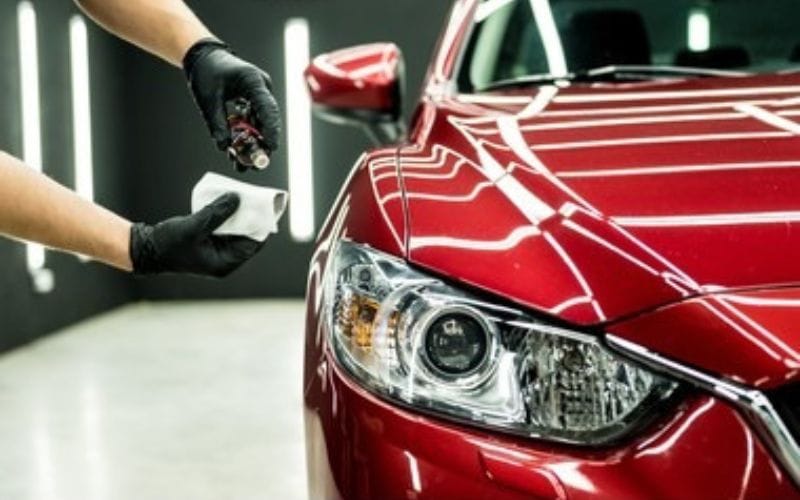
Ceramic coating is a liquid polymer that chemically bonds to your vehicle’s paint. Once cured, it creates a hard, semi-permanent layer that sits on top of your clear coat and acts as a sacrificial shield against everything LA’s coastline throws at your car.
It repels salt and moisture
The hydrophobic nature of ceramic coating means water — and the salt it carries — beads up and rolls off the surface rather than sitting and soaking in. This dramatically reduces the salt exposure that causes oxidation.
It blocks UV rays
A professionally applied ceramic coating adds measurable UV resistance on top of your factory clear coat. This directly combats the color fading and clear coat breakdown caused by LA’s intense sunlight.
It prevents water spots from etching
Because mineral-rich water beads and slides off rather than sitting on the surface, water spot etching is significantly reduced. When spots do form, they’re much easier to remove.
It makes maintenance dramatically easier
Salt deposits, pollen, bird droppings, and brake dust don’t adhere as strongly to a ceramic-coated surface. Regular washes become quicker and more effective — keeping your car cleaner with less effort.
Practical Steps to Protect Your Car Right Now
Whether you’re ready for a professional ceramic coating or just want to minimize damage in the meantime, here’s what actually works:
Wash your car every 1–2 weeks
Regular washing removes salt deposits before they can bond to the surface. Hand washing is ideal — touchless or tunnel car washes leave behind residue and can introduce swirl marks.
Rinse after beach trips or rain
A quick rinse with clean water after driving near the beach or after rain removes fresh salt deposits before they have time to bond and begin oxidizing.
Don't let bird droppings or pollen sit
Both are mildly acidic and will etch into paint within 48 hours in LA's heat. Remove them promptly with a clean microfiber and a pH-neutral detailer spray.
Park in shade or a garage when possible
Reducing direct sun exposure — especially during LA's peak UV hours from 10am to 4pm — meaningfully extends paint life. Garage parking also shields from overnight marine layer buildup.
Invest in professional ceramic coating
For long-term, low-maintenance protection against everything the South Bay coastline offers, a professional ceramic coating is the most effective single investment you can make for your car's paint.
Frequently Asked Questions
Does coastal air really damage car paint?
Yes — significantly. Salt particles from ocean air settle on your car’s surface and attract moisture, creating a continuous oxidation cycle that degrades your clear coat and base coat over time. For South Bay LA residents, this is an ongoing, year-round concern.
How does salt air affect car paint specifically in Los Angeles?
In LA’s coastal cities, salt-laden marine air combines with intense UV radiation and seasonal June Gloom moisture to create an especially aggressive environment for paint. The result is accelerated oxidation, water spot etching, clear coat failure, and fading — particularly on darker colored vehicles.
What is the best protection for car paint near the ocean?
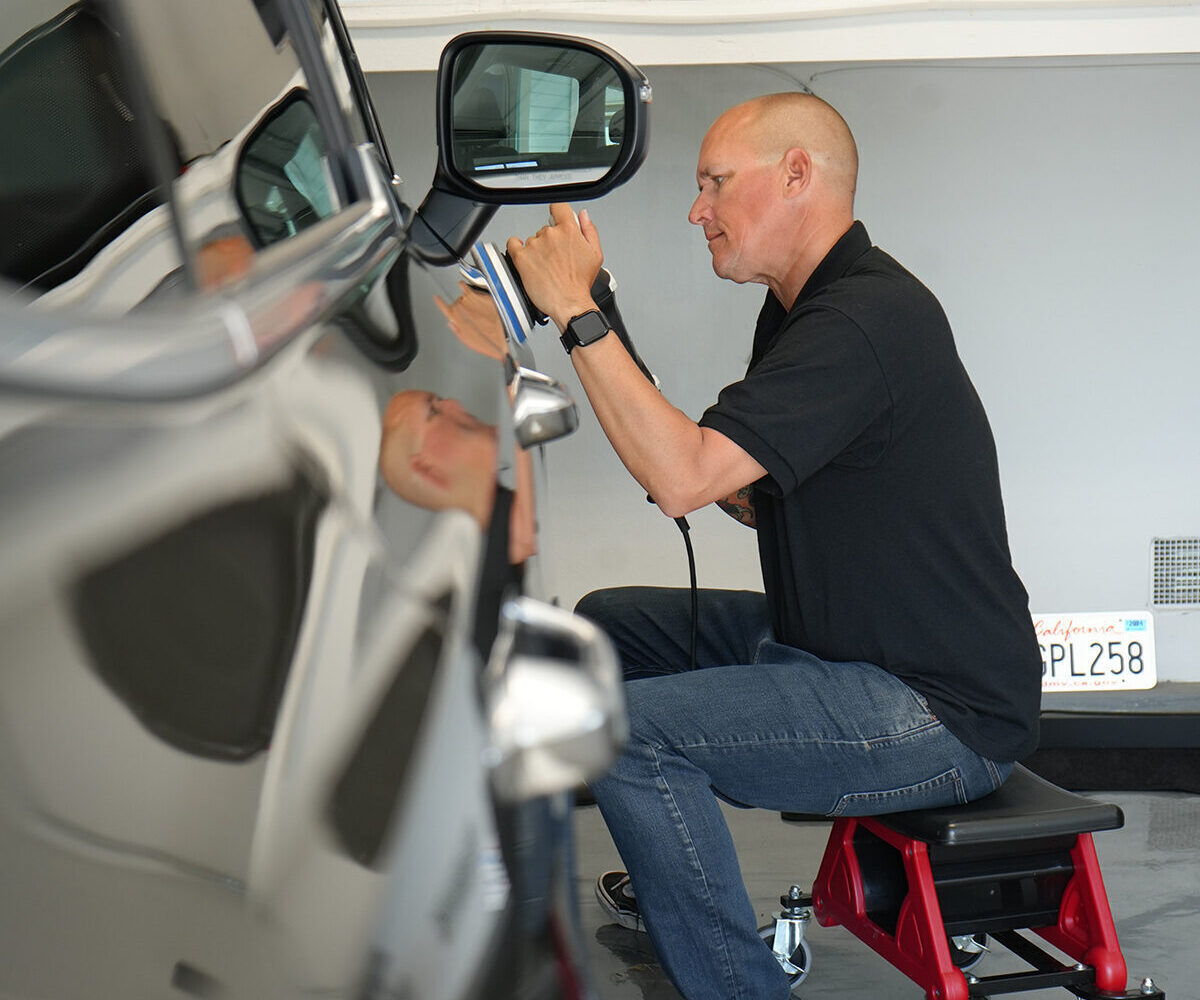
Ceramic coating is the most effective and practical protection for coastal car owners. It creates a hydrophobic, chemically resistant barrier that repels salt, water, and UV rays. For maximum protection, it’s best applied after a professional paint correction to ensure the coating bonds to a clean, defect-free surface.
How often should I wash my car if I live near the beach in LA?
If your car is parked outdoors near the coast, washing every 1–2 weeks is recommended to remove salt deposits before they bond to the paint. A ceramic-coated vehicle is easier to maintain and may need less frequent washing, but regular rinsing is still beneficial.
Is ceramic coating worth it in Los Angeles?
Absolutely. LA’s combination of intense UV, coastal salt air, and summer heat makes ceramic coating one of the most practical automotive investments in the region. It protects your paint, maintains your car’s appearance, and helps preserve resale value over time.
Can I apply ceramic coating to a boat in LA?
Yes — and it’s highly recommended. Boats in the South Bay face even more intense salt water exposure than cars. Ceramic coating on a boat’s gel coat or painted hull protects against saltwater corrosion, UV fading, and marine growth. Integrity Auto Salon offers professional boat detailing and ceramic coating services in the Redondo Beach area.
Protect Your Car Before the Damage Stacks Up
Integrity Auto Salon specializes in professional ceramic coatings and paint correction for cars, boats, and more — right here in the South Bay. Mobile or in-shop, we come to you.
Visit us at:
Integrity Auto Salon
1915 Huntington Lane 1, Redondo Beach, CA 90278
Check out our work at:
integrityautocal.com
Call us at:
323-688-8846