Why Spring? LA’s Seasonal Timing Explained
Most people think of car paint damage as something that happens from obvious events — a scratch in a parking lot, a rock chip on the freeway. But in cities like Redondo Beach, Manhattan Beach, and Hermosa Beach, the damage is slower, subtler, and far more widespread.
Here’s what’s actually happening to your car every single day:
LA’s rainy season typically wraps up by late February or early March, leaving behind a season’s worth of contaminants bonded to your paint — road oils, mineral deposits from rain, salt air residue, and early spring pollen. Detailing now — before the June Gloom moisture and peak summer UV arrive — gives you the best canvas for protection and the best conditions for applying it.
Spring 2026 in the South Bay: Pollen counts in LA's coastal areas typically peak between March and May. On paint, pollen becomes mildly acidic within 48 hours of moisture contact — making spring one of the most damaging seasons for unprotected paint in the region.
The Complete Spring Car Detailing Checklist
Work through this in order. Each step builds on the last — starting with protection before the paint is clean enough defeats the purpose, and correcting paint after contamination is removed gives dramatically better results.
Part 1: Exterior
Pre-rinse & two-bucket hand wash DIY
Rinse the entire vehicle top-to-bottom to loosen surface contaminants before touching paint. Use the two-bucket method (one soapy, one rinse) with a pH-neutral car shampoo and a microfiber wash mitt. Never use dish soap — it strips protective coatings and dries out rubber seals.
Iron remover & fallout spray DIY
Spray an iron remover across the painted surfaces and wheels. Watch for a purple reaction — that's iron particles (brake dust, industrial fallout) being chemically lifted. Rinse thoroughly after 3–5 minutes. This step is especially important for South Bay drivers who commute on the 405 or PCH.
Clay bar decontamination DIY Pro recommended
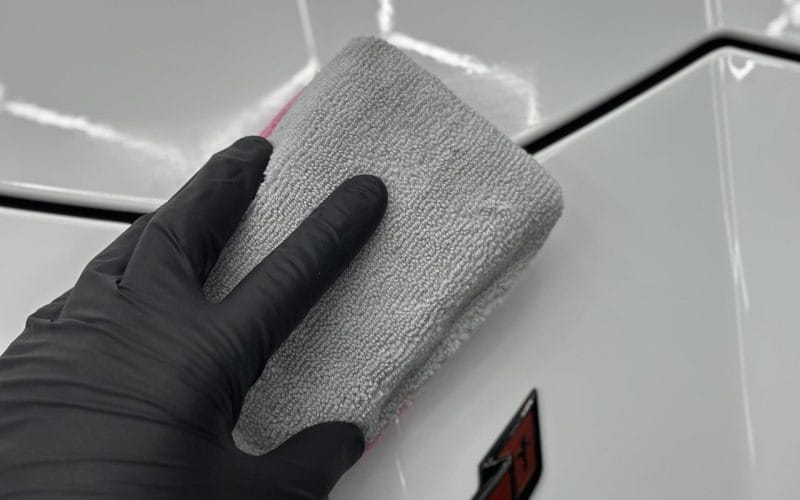
Run a lubricated clay bar across all painted surfaces, glass, and trim. You'll feel resistance where contaminants are bonded to the surface — clay pulls them off. After a winter of LA rain and coastal air, most vehicles have significant contamination that washing alone won't remove. When done correctly, the surface should feel as smooth as glass.
Paint inspection in direct sunlight DIY
Take your freshly washed car into direct sunlight and inspect the paint at a low angle. Look for swirl marks (circular scratches from improper washing), water spot etching (white rings left by mineral deposits), oxidation (chalky or hazy areas), and deep scratches. Note what you find — this determines whether paint correction is needed before protection.
Paint correction (if needed) Professional
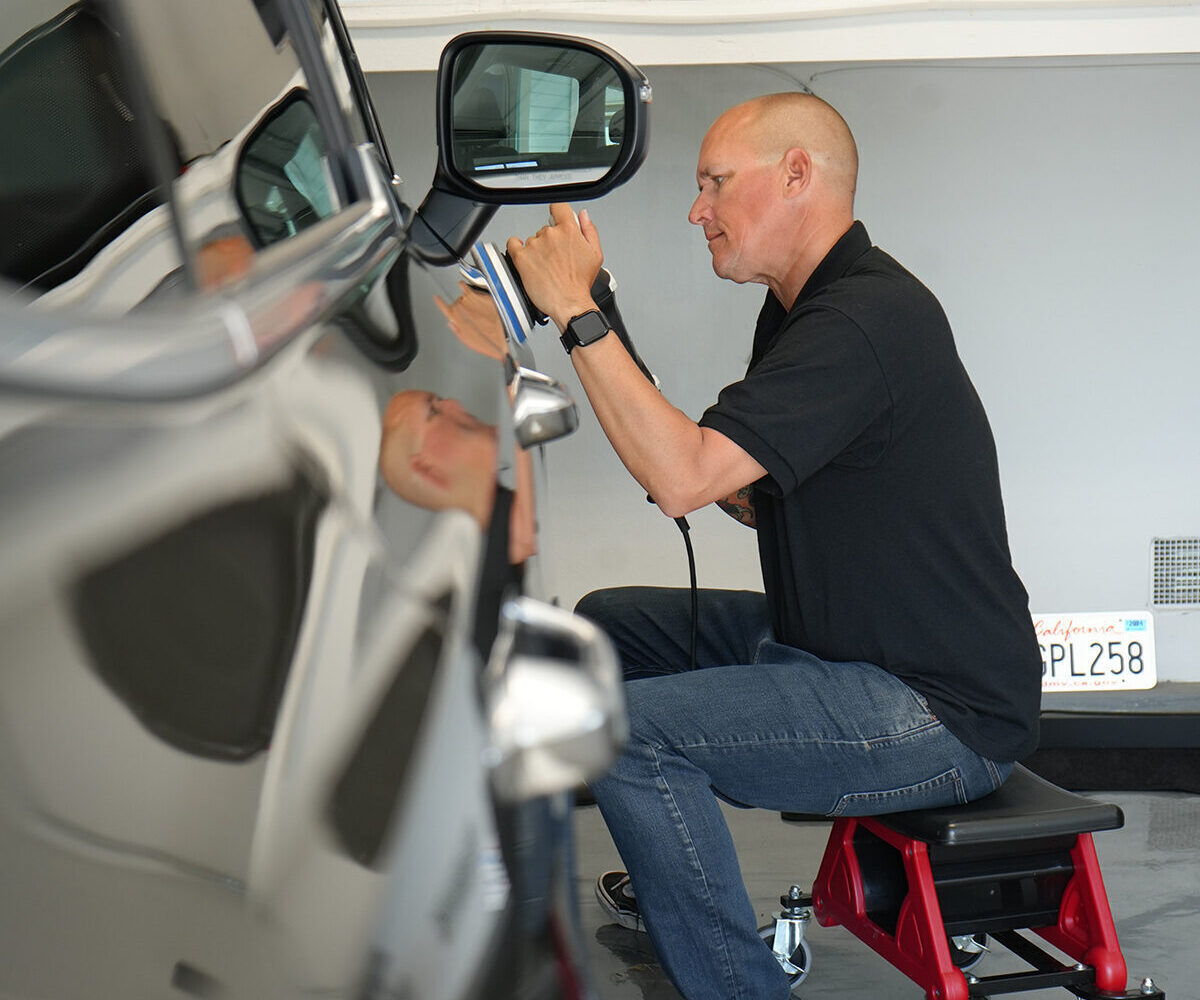
If your inspection revealed swirl marks, water etching, or oxidation, paint correction should happen before any protective coating is applied. Paint correction uses machine polishers to remove a controlled microscopic layer of clear coat, eliminating defects and restoring gloss. Applying ceramic coating over defects permanently locks them in — so this step isn't optional if your paint isn't clean.
Wheels, tyres & wheel wells DIY
Wheels accumulate a winter's worth of brake dust, road salt, and grime in crevices that a car wash doesn't reach. Use a dedicated wheel cleaner and brushes to clean each wheel face, barrel, and lug nuts. Scrub tires and spray wheel wells. Finish with a tyre dressing and — if desired — a wheel sealant to repel future brake dust.
Door jambs, boot, & bonnet gaps DIY
These areas are rarely cleaned but accumulate significant grime and salt. Wipe down all door jambs, the boot (trunk) opening, hood edges, and fuel cap area with a damp microfiber and all-purpose cleaner. Neglected jambs are a common entry point for rust on older vehicles.
Exterior glass cleaning DIY
Clean all exterior glass with an automotive glass cleaner (not household Windex — it contains ammonia which damages window tint). Use a clean microfiber in straight strokes. Pay special attention to the windshield, where a film of road oils and bug residue accumulates and creates glare — especially dangerous driving into the setting LA sun.
Trim restoration & UV protection DIY
LA's UV intensity is hard on exterior plastic and rubber trim. If your trim has faded to grey, apply a plastic trim restorer to bring back the deep black colour. Follow with a UV protectant to prevent re-fading. Check rubber door seals and apply a silicone-based seal conditioner to prevent cracking through summer.
Paint protection application Professional
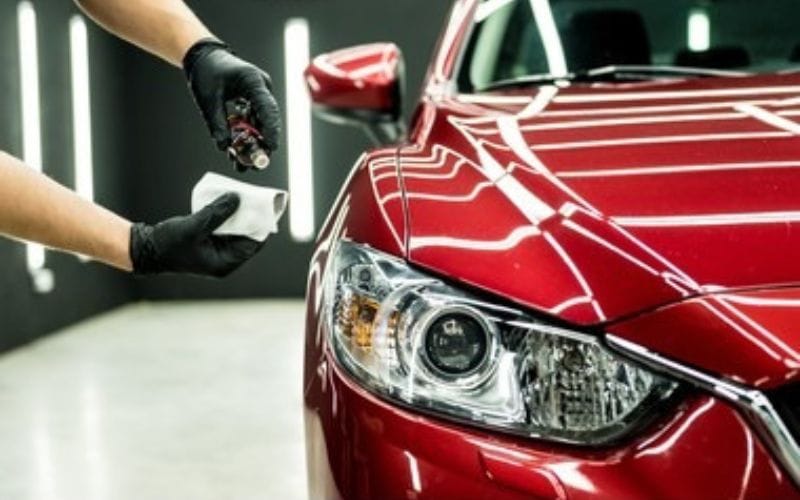
Spring is the ideal time to apply a fresh layer of protection before summer UV peaks. Options range from a quality carnauba wax (4–8 weeks' protection) to a paint sealant (3–6 months) to a professional ceramic coating (2–5+ years). For South Bay coastal drivers, ceramic coating is the strongest ROI — it's the only protection that meaningfully resists salt air, UV, and water spotting over the long term.
Part 2: Interior
Full vacuum — seats, carpets, boot DIY
Remove floor mats and vacuum them separately. Vacuum all seat surfaces, under seats, between cushions, the dashboard vents, and the boot (trunk). Use a crevice tool for door pockets and the gap between the centre console and seats. Spring is also a good time to remove and clean any pet hair, sand from winter beach trips, and accumulated crumbs.
Carpet & upholstery shampoo DIY Pro recommended
Wet shampoo the carpets and fabric upholstery with an automotive carpet cleaner and a stiff brush, then extract thoroughly. LA's winter rain and wet shoes track in significant dirt that vacuuming alone won't remove. For stubborn stains or full extraction, a professional steam clean gives superior results. Ensure everything is fully dry to prevent mold — particularly important in spring when humidity is higher.
Dashboard, console & door panels DIY
Wipe down all hard surfaces with an interior-safe all-purpose cleaner and a microfiber cloth. Get into vents with a detailing brush. Avoid silicone-heavy "shiny" dashboard sprays — they create glare on the windshield and attract more dust. Use a matte or satin interior protectant that also provides UV protection against cracking and fading.
Leather cleaning & conditioning Professional
If your vehicle has leather seats, a spring clean and condition is essential before the drying heat of LA summer arrives. Use a pH-balanced leather cleaner to remove body oils and grime from the seat surface, then apply a quality leather conditioner to restore flexibility and prevent cracking. Don't skip this — dried, cracked leather is expensive to repair and impossible to fully reverse.
Interior glass & mirrors DIY
Interior glass collects off-gassing from plastics (that hazy film on the inside of the windshield) and fingerprints on mirrors. Clean with an ammonia-free glass cleaner and a clean microfiber folded into quarters — use one side for cleaning, flip for buffing. A clean windshield dramatically reduces glare on LA's bright spring days.
Air freshener & cabin air filter DIY
Spring is a good time to replace the cabin air filter, which filters pollen, dust, and pollutants entering through the HVAC system. In LA, where pollen counts spike in spring and wildfire smoke can return in summer, a clean cabin filter makes a real difference to air quality inside the vehicle. Finish with a light, natural air freshener if desired.
What You’ll Need: Spring Detailing Essentials
If you’re tackling the DIY steps yourself, here’s a practical kit to work from. For the professional steps — paint correction, ceramic coating, leather care — these are best left to a trained detailer with the proper equipment.
pH-Neutral Car Shampoo
Safe for coated and uncoated paint. Avoid dish soap and all-purpose cleaners on painted surfaces.
Clay Bar Kit
Includes clay bar and lubricant spray. Medium-grade clay for most LA vehicles with winter contamination.
Iron Fallout Remover
Chemically dissolves iron particles. Essential for wheels and lower paint panels on city-driven vehicles.
Two Wash Buckets + Grit Guards
Keeps your wash mitt clean between passes. Prevents transferring dirt back onto paint.
Microfibre Cloths (x10+)
Use separate cloths for exterior, interior, glass, and trim. Never cross-contaminate.
Ammonia-Free Glass Cleaner
Safe for tinted windows. Streak-free on both interior and exterior glass surfaces.
Trim Restorer + UV Protectant
Brings back faded plastic trim and prevents UV bleaching through LA's intense summer sun.
Paint Protection (Wax / Sealant)
Minimum spring protection for uncoated vehicles. Sealant outperforms wax for LA coastal conditions.
What to Do Yourself vs. What to Leave to a Professional
Not every step on this checklist requires professional help — but some absolutely do. Here’s the honest breakdown:
DIY-friendly
Hand washing, vacuuming, interior wipe-downs, glass cleaning, tire dressing, iron remover spray, and basic wax or sealant application are all manageable for a careful car owner with the right products and microfibre cloths.
Leave it to a professional
Paint correction, ceramic coating, leather treatment, and steam extraction should be handled by a trained detailer. Paint correction in particular requires machine polishers, experience reading paint depth gauges, and the ability to work systematically without burning through the clear coat — the margin for error is small, and mistakes are irreversible without a respray.
How Long Does a Full Spring Detail Take?
Timeframes vary by vehicle size and condition, but here’s a realistic guide:
Self-detailing (DIY exterior + interior, no correction)
Expect 4–6 hours for a thorough job on a standard sedan. SUVs and trucks will take 6–8 hours. Don’t rush — working too quickly is the most common cause of swirl marks and missed spots.
Professional detail (without paint correction)
A full-service exterior and interior detail at Integrity Auto Salon typically takes 3–5 hours depending on vehicle size and starting condition.
Professional detail with paint correction + ceramic coating
Plan for a full day (8–12 hours). Paint correction is methodical work that can’t be rushed, and ceramic coating requires careful application and a curing period. The result, however, is a finish that will look exceptional and stay protected for years.
Frequently Asked Questions
When is the best time to detail your car in Los Angeles?
Spring — March through May — is the best time for a full car detail in LA. It follows the rainy season, clearing accumulated road grime, and comes before the intense UV and heat of summer. It’s also ideal timing before pollen season peaks and June Gloom moisture arrives.
What does a spring car detail include?
A full spring car detail includes an exterior hand wash, clay bar decontamination, paint inspection and correction (if needed), wheel and tire cleaning, interior vacuuming and shampooing, glass cleaning, trim restoration, and paint protection via wax, sealant, or ceramic coating.
How often should I detail my car in Los Angeles?
For LA drivers — especially in coastal South Bay cities like Redondo Beach, Manhattan Beach, and Hermosa Beach — a full detail twice a year (spring and fall) is recommended. Cars parked outdoors near the coast benefit from more frequent exterior washes every 1–2 weeks to manage salt air deposits.
Does spring pollen damage car paint?
Yes. Pollen contains proteins that become mildly acidic when wet. In LA’s spring climate, morning dew or June Gloom moisture activates pollen deposits on paint, and if left untreated, they can etch into the clear coat within 48–72 hours. Regular washing during spring and a protective coating significantly reduce this risk.
Should I ceramic coat my car in spring?
Spring is an excellent time to apply ceramic coating in Los Angeles. Moderate temperatures allow for ideal curing conditions, and the coating will be fully bonded before the intense heat and UV of summer arrives — providing maximum protection through the harshest months of the year.
Can I detail my car myself or should I use a professional?
Many exterior and interior cleaning steps are DIY-friendly with the right products. However, paint correction, ceramic coating application, and leather treatment are best left to a professional. Mistakes in paint correction can permanently damage the clear coat, and improperly applied ceramic coating won’t bond correctly or last as long as a professional application.
Ready for Your Spring Detail?
Integrity Auto Salon offers full spring detailing packages — from a thorough wash and interior clean to full paint correction and ceramic coating. Mobile or in-shop across the South Bay.
Visit us at:
Integrity Auto Salon
1915 Huntington Lane 1, Redondo Beach, CA 90278
Check out our work at:
integrityautocal.com
Call us at:
323-688-8846