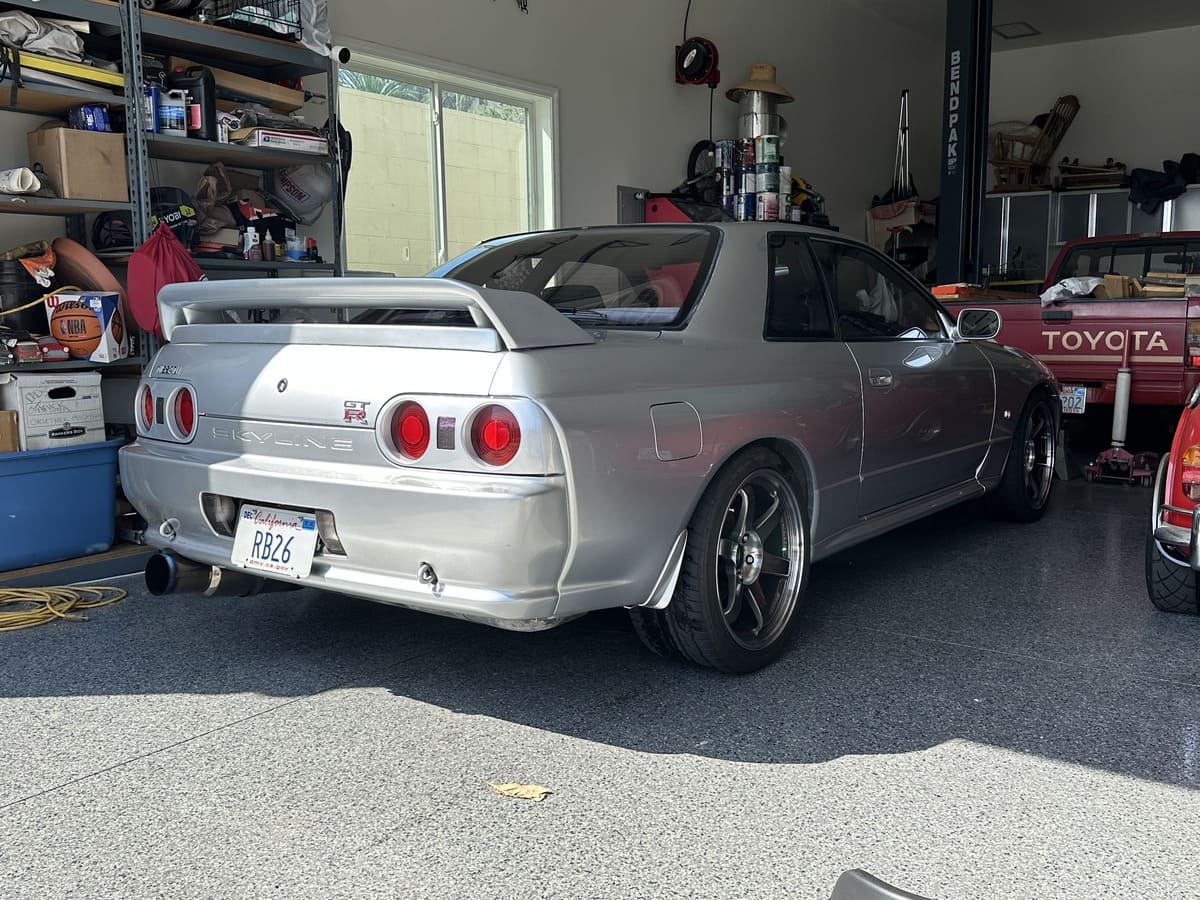
Redondo Beach. Hermosa. Manhattan Beach. Palos Verdes. Gorgeous views, salty breeze, that perfect golden-hour light everyone posts about. Your car is soaking up every bit of it, and none of it is doing your paint any favors.
If you park anywhere along the South Bay, your vehicle is dealing with a combination most inland drivers never think about: airborne salt, relentless UV exposure, marine humidity, and fine sand and dust riding the wind off the water. Individually, each one is annoying. Together, they’re a slow, steady assault on your clear coat.
Here’s what’s actually happening to your paint and what to do about it.
Why Coastal Conditions Are Rougher Than They Look
- Salt is corrosive, even in the air. You don’t need to drive through ocean spray for salt to reach your car. Coastal air carries fine salt particles that settle on paint, trim, and metal, and once they mix with moisture, they start eating into anything unprotected, especially exposed metal edges, wheels, and undercarriage components.
- UV rays break down clear coat fast. Southern California sun isn’t just intense; it’s constant. UV exposure oxidizes clear coat over time, leading to fading, dullness, and that chalky look on darker-colored cars.
- Humidity traps contaminants against the surface. Marine layer moisture keeps salt, pollen, and grime sitting on your paint longer instead of drying and blowing off, giving corrosive elements more contact time.
- Sand acts like fine sandpaper. Wind-blown sand near the beach settles into your paint and, if wiped with a dry cloth or improper mitt, causes micro-scratching that dulls the finish over time.
What Actually Protects Your Car
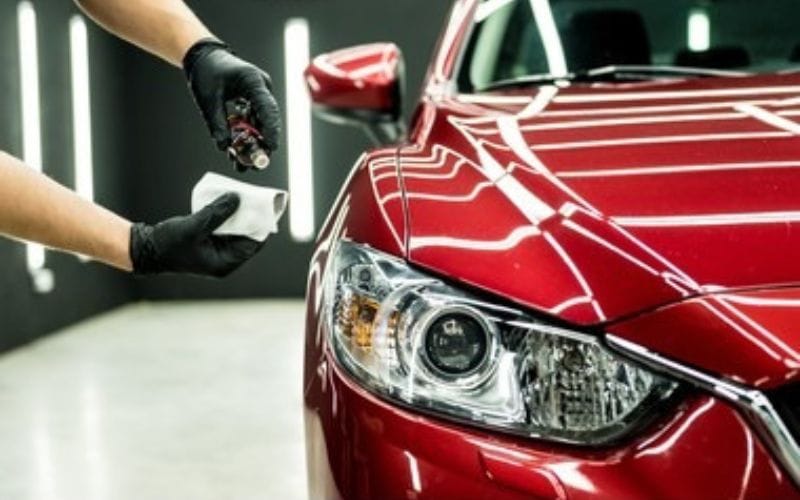
- Ceramic coating. A quality ceramic coating creates a sacrificial, hydrophobic barrier that shields your clear coat from UV rays, salt residue, and contaminants while making rinse-offs faster and easier.
- Regular rinsing, not just washing. Even a quick weekly rinse (no soap needed) knocks off salt film before it has time to sit and bond to the surface.
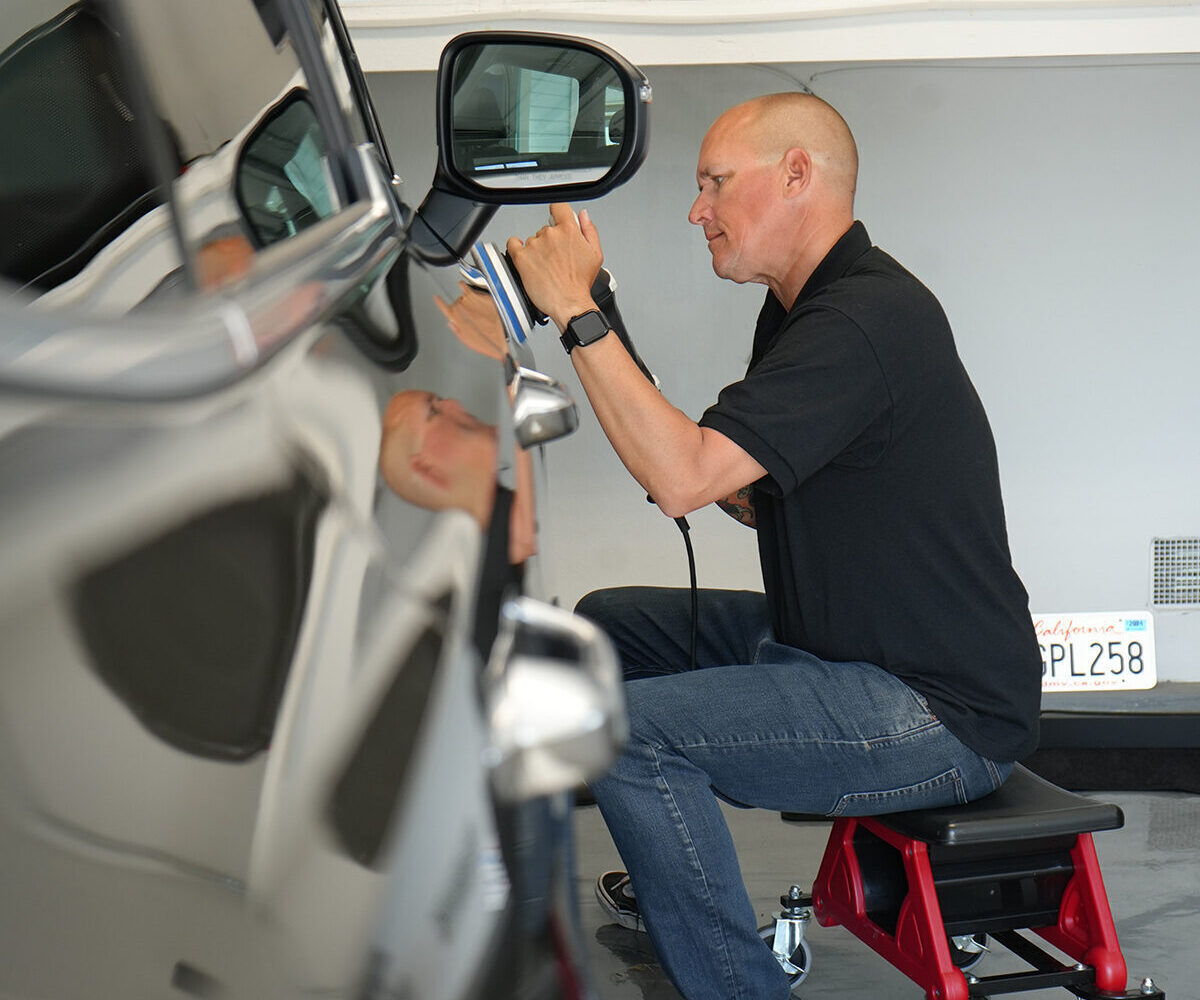
- Paint correction before coating. If your paint already has swirl marks or oxidation from sun exposure, correcting it first means your ceramic coating goes on a clean, smooth surface and looks noticeably better.
- Don’t forget the undercarriage and wheels. Salt corrosion often starts where you can’t see it. Coating and regular rinsing of wheel wells and lower panels matter just as much as the hood and roof.
Protect It Before the Coast Does the Damage For You
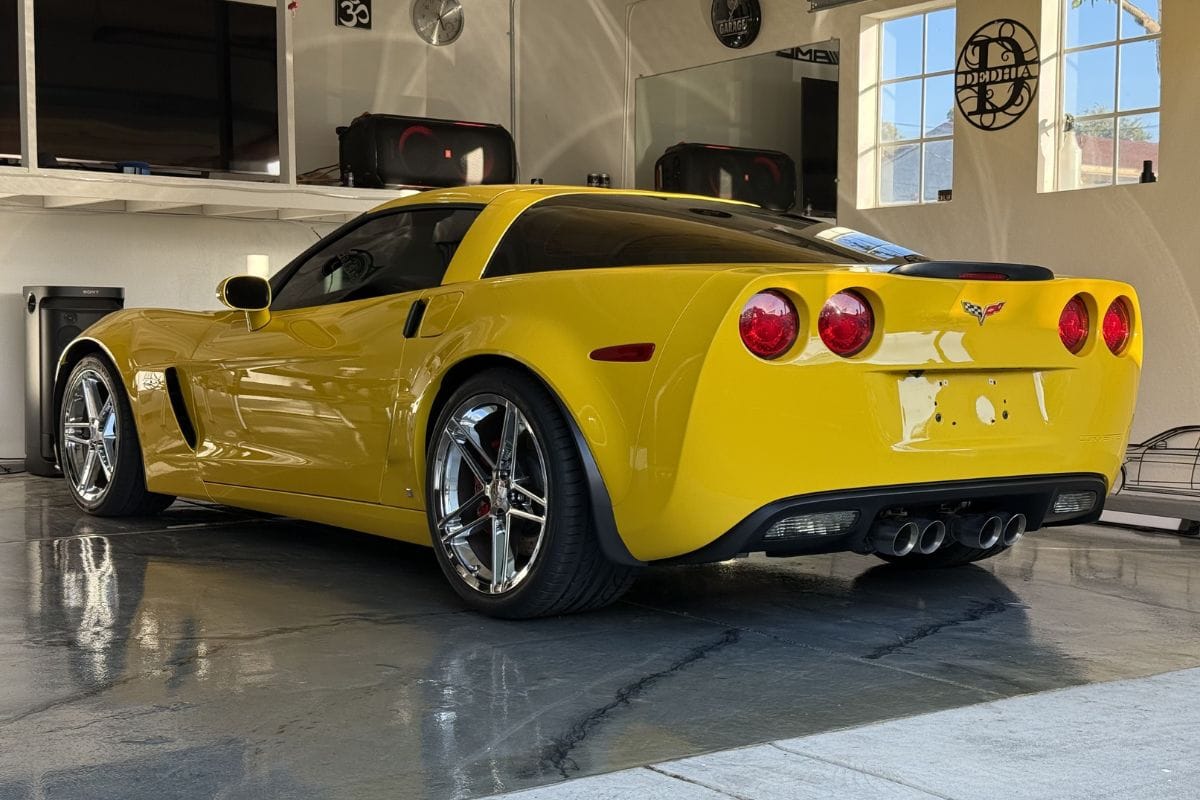
The good news: none of this damage is inevitable. With the right protection and a maintenance routine built for coastal conditions, your car can handle beach life without paying for it in faded paint and corrosion.
Give Your Car the Protection the Coast Demands
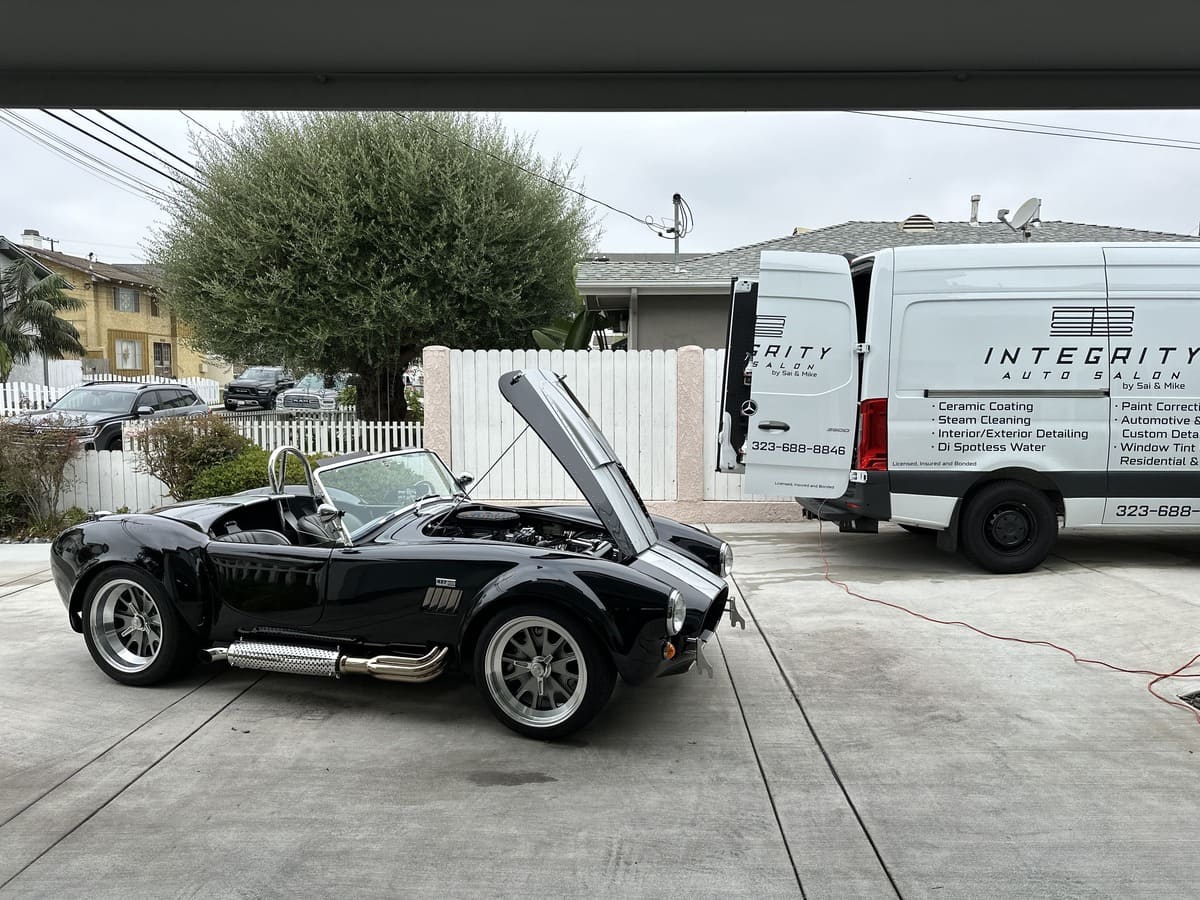
At Integrity Auto Salon, we work with coastal vehicles every single day in Redondo Beach, Hermosa Beach, Manhattan Beach, Palos Verdes, and across the South Bay. We know exactly what salt air and sun exposure do to paint, and we build our ceramic coating and paint correction services around it. Mobile detailing is also available, so protecting your car doesn’t mean rearranging your day.
Whether your paint needs correction, a fresh ceramic coating, or just a maintenance check before summer hits full swing, we’ve got you covered.
Integrity Auto Salon | 1915 Huntington Lane 1, Redondo Beach, CA 90278 | 323-688-8846 | www.integrityautocal.com